
Key Takeaways
- Townhomes can offer more affordability than comparable single-family homes, making them appealing to many first-time buyers.
- Lower maintenance can simplify homeownership, especially when an HOA handles certain exterior responsibilities.
- HOA fees and rules matter because they can affect both your monthly budget and ownership experience.
- Financing depends on the property’s classification, so having a lender review the community early can help prevent surprises.
For many buyers, townhomes offer a practical way to become a homeowner without taking on the price and maintenance of a traditional single-family house. As home prices remain elevated in many markets, a townhome can give buyers more space and privacy than a condo while keeping the purchase price and upkeep more manageable. For anyone considering buying a townhome, understanding the costs, HOA responsibilities, and financing options can help determine whether it makes more sense than a townhome vs. single-family home.
What Is a Townhome?
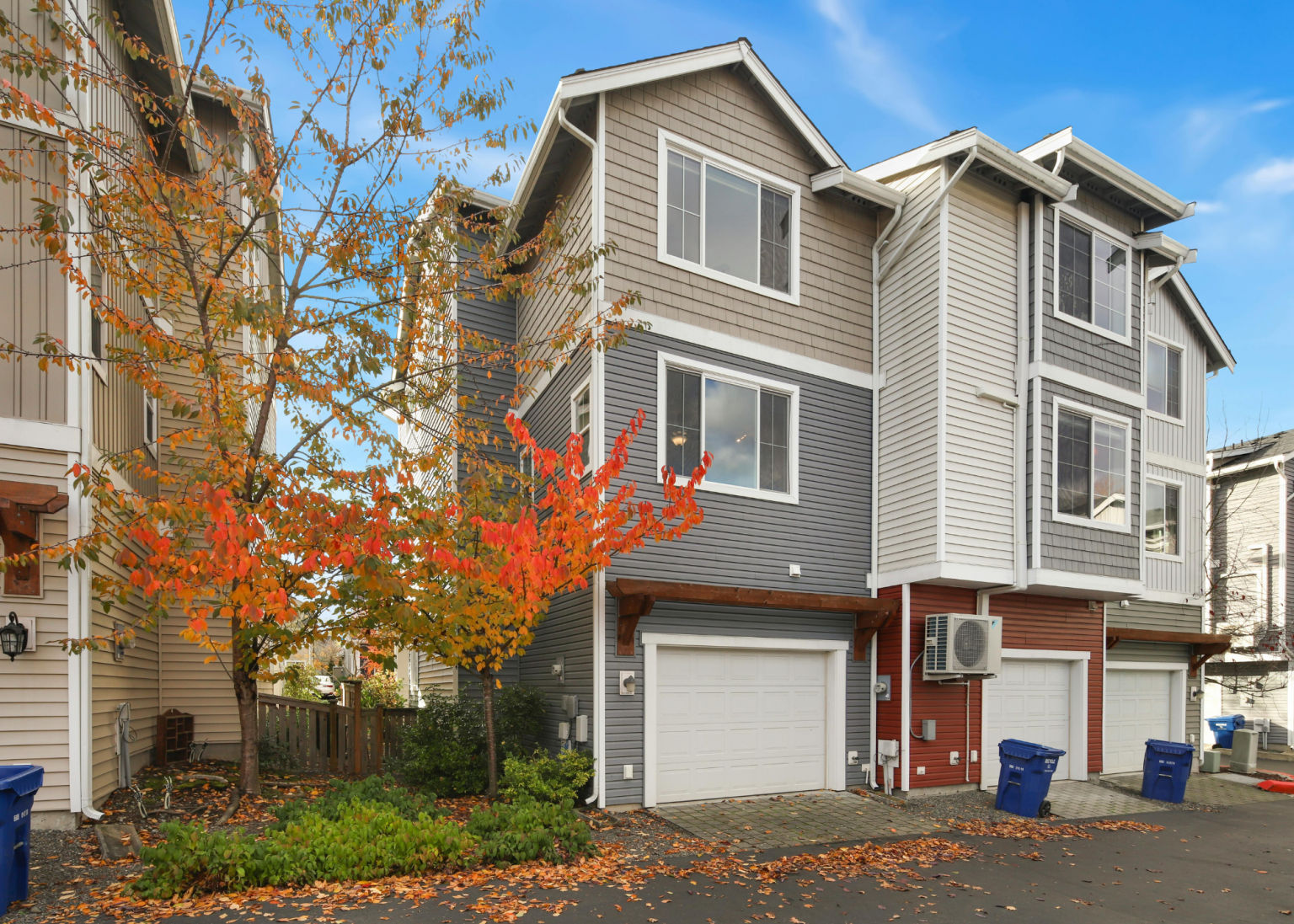
A townhome is a residential property that typically shares one or more walls with neighboring homes. Unlike an apartment, the homeowner generally owns the individual property and, depending on how the community is structured, the land associated with it.
Many townhomes feature private entrances, garages, patios, multiple bedrooms, and more than one floor. That layout can give buyers a traditional homeownership experience while still providing some of the convenience associated with community living.
Many townhome communities also have a homeowners association, or HOA. The HOA may handle certain shared responsibilities, such as landscaping, exterior maintenance, community amenities, or common areas.
However, every community operates differently. Before purchasing, buyers should understand exactly what the HOA covers, what the homeowner remains responsible for, and whether the association expects future fee increases or special assessments.
Why Are Townhomes Becoming More Popular?
Several factors have pushed townhomes higher on buyers’ lists, but affordability remains one of the biggest.
Townhomes Can Offer a More Affordable Path to Homeownership
In many markets, townhomes cost less than comparable detached homes. That difference can make homeownership more attainable for buyers who don’t want to stretch their budget to purchase a single-family property.
Townhomes can be especially appealing to:
- First-time homebuyers
- Young professionals
- Buyers transitioning from renting
- Downsizers
- Buyers who want to live in a desirable location
- Homeowners who prefer less exterior maintenance
Price can also give buyers more flexibility when choosing where to live. Rather than spending more on a larger lot or additional square footage, a buyer may be able to put that money toward a better location.
For example, a townhome may allow someone to live closer to work, restaurants, entertainment, parks, or other amenities without taking on the price of a comparable detached house.
Less Maintenance Can Make Homeownership Easier
Affordability isn’t the only reason buyers choose townhomes. Maintenance also plays a major role.
Depending on the community, the HOA may handle some exterior responsibilities, including landscaping and maintenance of shared spaces. That can reduce the amount of work homeowners need to handle themselves.
For busy professionals, first-time homeowners, empty nesters, and anyone who doesn’t want to spend weekends maintaining a large yard, that convenience can make a significant difference.
Of course, buyers should never assume the HOA handles everything. Some communities require homeowners to maintain certain exterior features, yards, doors, windows, or other portions of the property.
Always review the HOA documents before purchasing so you know exactly what you’re responsible for.
Townhomes Can Provide More Space Than Condos
Townhomes can also offer a middle ground between condos and detached homes.
Many townhomes have two or three floors, which creates more separation between bedrooms and living areas. Buyers may also get features that aren’t always available with traditional condos, such as:
- Multiple bedrooms and bathrooms
- Private garages
- Patios or small outdoor spaces
- Additional storage
- Larger living areas
- Multiple floors
As a result, a townhome can provide the feel of a traditional house while still offering some of the convenience of a managed community.
Townhomes and New Construction
New construction has also contributed to the popularity of townhomes.
As land becomes more expensive and harder to find, builders can sometimes create more housing by developing attached properties on smaller parcels. That approach can increase housing availability while keeping prices more manageable than some detached new construction.
For buyers, new construction townhomes can provide access to modern layouts, updated finishes, energy-efficient features, and community amenities without necessarily paying the premium associated with a newly built single-family home.
Depending on the development, amenities may include:
- Walking trails
- Community pools
- Green spaces
- Clubhouses
- Fitness centers
- Recreation areas
The amenities vary by community, so buyers should consider whether they’re actually useful to their lifestyle before factoring them heavily into the purchase decision.
Are Townhomes Good for First-Time Homebuyers?
For many first-time buyers, a townhome can provide a manageable entry point into homeownership.
Buying a first home comes with plenty of new responsibilities. A townhome can offer many of the benefits of owning a home while potentially reducing some of the exterior maintenance that comes with a larger property.
It can also help buyers enter the market when a detached single-family home falls outside their comfortable budget.
Still, buyers should look beyond the purchase price. The true monthly cost can include the mortgage payment, property taxes, homeowners insurance, and HOA dues.
A home that appears affordable based on its listing price may look very different once all of those expenses enter the equation.
What Should You Know About HOA Fees?
HOA fees deserve careful attention when you’re considering a townhome.
The HOA collects these recurring fees to maintain shared areas and provide community services. Depending on the development, those fees could cover landscaping, exterior maintenance, amenities, trash services, common-area insurance, or other neighborhood expenses.
Before making an offer, ask:
- What does the monthly HOA fee cover?
- How much have HOA dues increased in recent years?
- Are any increases planned?
- Does the community have adequate reserves?
- Are there any pending special assessments?
- What maintenance remains the homeowner’s responsibility?
A lower purchase price doesn’t automatically mean a lower monthly housing cost. HOA dues can add a meaningful amount to your monthly expenses, so buyers should include them when determining affordability.
Townhome vs. Single-Family Home: What’s the Difference?
The right property depends on what matters most to you. A townhome may make more sense for someone who prioritizes affordability and convenience, while a single-family home may better fit a buyer who wants more privacy, outdoor space, and control over the property.
| Factor | Townhome | Single-Family Home |
| Purchase price | Often lower | Often higher |
| Outdoor space | Typically less private | Usually more private |
| HOA | Common in many communities | May or may not have one |
| Shared walls | Usually | Typically no |
| Exterior maintenance | May be partially covered by HOA | Usually homeowner’s responsibility |
| Community amenities | More common | Less common |
Neither option automatically wins. The better choice depends on your budget, lifestyle, desired location, maintenance preferences, and long-term plans.
Are Townhomes a Good Long-Term Investment?
A townhome can make a strong long-term home purchase, but buyers should evaluate the property and community carefully.
Location remains one of the most important factors. Buyers should also consider the purchase price, HOA fees, property taxes, insurance costs, community condition, and demand for similar properties in the area.
The HOA’s financial health matters, too. A poorly managed association with inadequate reserves or significant upcoming repairs could lead to higher costs for homeowners.
Likewise, buyers should research the community’s rules and restrictions. HOA guidelines can affect everything from exterior modifications to rental policies, so understanding those rules before purchasing can prevent surprises later.
What Mortgage Options Can You Use to Buy a Townhome?
Many townhomes qualify for common mortgage programs, including conventional, FHA, and VA loans, depending on the buyer’s qualifications and the property itself.
However, the financing process can differ based on how the property is legally classified and how the community operates.
For example, some properties marketed as townhomes are legally classified as condominiums. In that situation, the condo association may need to meet specific lending requirements before a lender can approve the mortgage.
That distinction makes it important to involve your mortgage lender early. Having the lender review the property and community before you get too far into the transaction can help identify potential financing issues before they become a closing problem.
The Bottom Line
Townhomes have become an attractive option for buyers who want the benefits of homeownership without paying for more space or maintenance than they actually need. They can offer a compelling combination of affordability, convenience, location, and low-maintenance living, especially for first-time buyers, busy professionals, and downsizers.
If you’re considering a townhome, don’t wait until you’re under contract to find out whether the property will work with your mortgage. Loan Pronto can help you review financing options early, including conventional, FHA, and VA loans, and identify potential issues with the property’s classification or HOA before they slow down your purchase.
Whether you’re buying your first home, moving into a new construction community, or simply looking for a more affordable alternative to a single-family home, talk with a Loan Pronto mortgage professional before you start making offers. We can help you understand your buying power, compare loan options, and make sure the townhome you’re considering fits both your budget and your financing goals.
FAQs
No SSN required. Zero impact to credit. Your Information is never sold.